


Moto Rider, Bike Racing Game
4.5874.00 Reviews
App Specs
- Version
- 1.148
- Updated On
- License
- Free
- Downloads
- 100,000,000+
- Developer
- iKame Games - Zego Studio
- Categories
- Racing
- Platform
- Android, iOS
Screenshots
 Analysis by AppCompare
My first recommendation is to treat Moto Rider as a quick arcade racer, not as a substitute for a detailed motorcycle simulator. That distinction matters: the appeal is the immediate pull of a race and the satisfaction of getting better at it, rather than a promise of realistic riding technique. I find that makes it easiest to enjoy in short sessions, when I want a clear goal and a bit of speed without planning an evening around a game.
It is a free racing game from iKame Games - Zego Studio, rated for Everyone, and its broad audience is reflected in its reach: it has passed 100 million installs and has a 4.5 average from around 248,000 ratings. The game was released on October 30, 2023, and version 1.148 is the current version. Those figures give a useful sense of its popularity, but they do not tell me whether its riding style will suit you; the feel of the controls and the way you respond to its challenge are more personal.
Small goals make the first sessions easier to approach
When I start a racing game on my phone, I want to know what I can do right away. Here, the straightforward controls and race-focused setup lower the barrier to entry. I can concentrate on steering, accelerating, and learning when to use a stunt gesture instead of spending the opening session figuring out a complicated control scheme. That simplicity is particularly helpful if you are handing the game to someone who does not usually play racers.
My practical advice is to give yourself one target per session: get comfortable steering, finish a race cleanly, or try a different bike when the opportunity comes. That keeps early play from turning into aimless tapping. The listed modes include time trials, head-to-head races, and free ride, so you can choose between chasing a result, competing directly, or taking a less pressured ride. I would start with whichever mode best matches my mood rather than treating every session as a test of skill.
Progress feels best when it changes how you ride
The game’s progression has two appealing hooks: earning the chance to improve a bike and finding a ride that feels right for your style. Different bikes have different handling and speed characteristics, so a faster option is not automatically the most comfortable one. If you are struggling to stay in control, I would pay attention to handling rather than chasing speed alone. That is a small but useful way to make choices feel tied to the racing instead of treating upgrades as a checklist.
Customization also gives you a reason to make a bike feel personal, though I see performance choices as the more practical priority when a race is giving you trouble. A paint change can make a ride yours; an upgrade is more compelling when it addresses something you can actually feel. I would avoid spending simply because a purchase is available. Try to notice what is holding you back first, then decide whether a bike or upgrade seems likely to help.
Rising challenge rewards patience more than rushing
The competition and track demands can push you to react quickly, but repeatedly forcing the same approach is not always the best answer. If a race is going badly, I would slow down mentally and focus on steering cleanly before trying to squeeze in stunts or chase every opportunity. That gives you a clearer read on whether the problem is control, timing, or a bike that does not suit the situation.
Worth Reading Before You Choose

Switching to Android Auto Means Rethinking Your Driving Routine

Google Calendar Makes a Crowded Week Easier to Manage

Baby Panda World Brings Quick Play to Modern Phones, but Its Game Library Feels Busy

ESPN’s Live Game View Makes Following Close Games Easier

QuizzLand Review: A Good Fit for Short Trivia Breaks, Not Every Player

Basketball Stars: Multiplayer Is Fast, but Can It Recover When Matches Go Wrong?
For me, the most satisfying challenge in a mobile racer is one that gives a beginner room to learn while still offering a reason to improve. The progression in difficulty aims for that balance, although a player who wants a highly realistic simulation may find the arcade-style emphasis too simple. Likewise, someone who dislikes retrying a difficult race may prefer a more relaxed driving game. The best fit is a player who enjoys practicing in short bursts and can accept that not every attempt will go perfectly.
Good moments to play, and when another racer fits better
A realistic use for this game is a short break: I have a few minutes before an appointment, want one focused activity, and can choose a race or a freer ride without committing to a long session. The free ride option is a natural pick when I want to get used to steering without putting a result at the center of the experience. For a more competitive mood, a head-to-head race gives the session a sharper goal; for practicing consistency, a time trial is the more fitting choice.
Compared with racers built around lengthy championships, detailed tuning, or simulation-style handling, this is the kind of game I would choose for quicker access and simpler controls. That trade-off is also its limit. If you want to study realistic braking, adjust many technical settings, or build a long career around race weekends, I would look for a more simulation-focused alternative. If you want a motorcycle game that is easy to pick up and gives you several ways to approach a ride, this is a more natural match.
It also suits players who enjoy improving a vehicle but do not need every session to be about optimization. I would keep an eye on whether the next upgrade is making a meaningful difference to how a bike handles, rather than assuming that more progression always means more fun. If you reach a point where collecting or upgrading feels like work, switching to free ride or taking a break is a sensible choice. A game is better company when its goals support the fun rather than replace it.
What keeps the racing worthwhile
I find the racing most rewarding when I use each session to learn something rather than simply chase the next unlock. A steadier line or a better feel for a bike can make a small goal worthwhile, even when I do not finish first. That focus also helps me decide whether I want a tougher race or a more relaxed ride next.
Visuals and sound add atmosphere, not a reason to rush
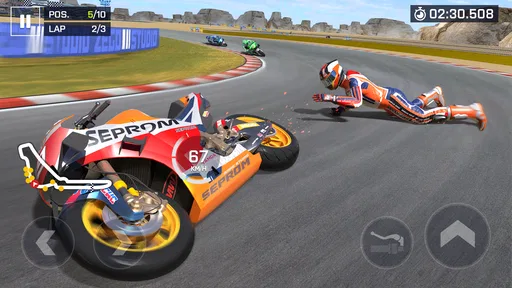
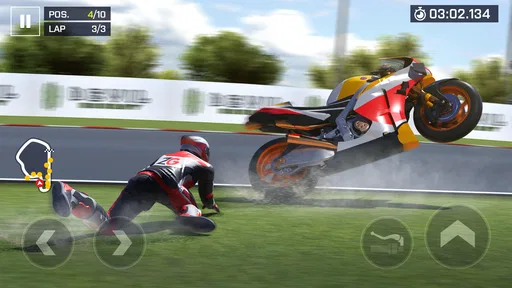
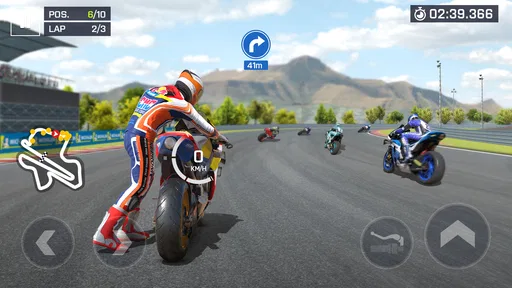
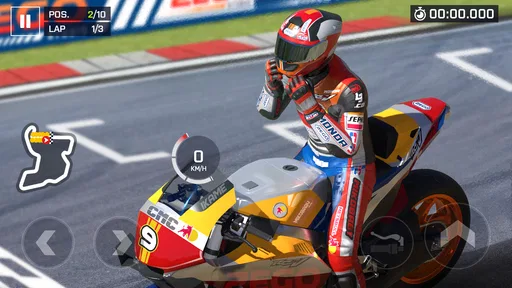
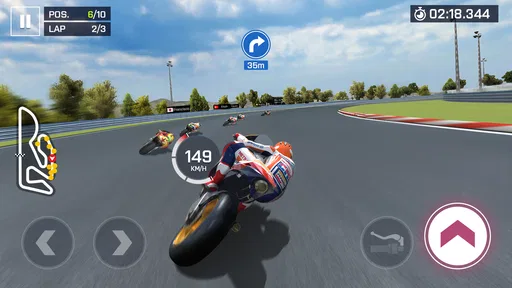
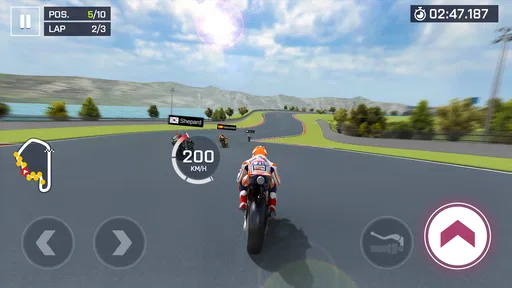
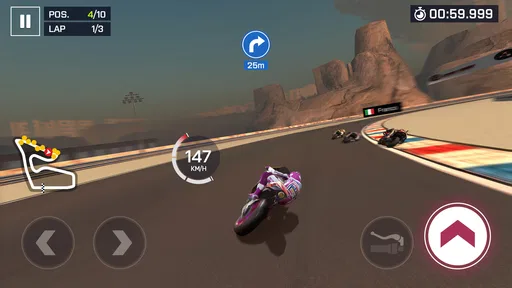
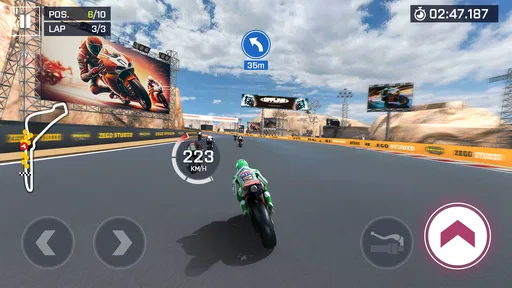
The graphics are pretty impressive for a mobile game. The developers have done a fantastic job of creating a vibrant world that feels alive and immersive. The bikes are detailed, and the sound effects make you feel like you're right there on the track. I couldn’t help but get excited about jumping into my first race.
As I mentioned earlier, the graphics are top-notch. The environments are diverse, ranging from bustling cityscapes to serene countryside roads. Each track is beautifully rendered, and the attention to detail really enhances the gaming experience. The sound design complements the visuals perfectly. The roar of the engines, the screech of tires, and the ambiance of the surroundings all blend together to create an exhilarating atmosphere.
Spending is optional, but it can change the feel of progression
Like many mobile games, Moto Rider includes in-game purchases. While you can enjoy the game without spending a dime, there are options to buy currency for upgrades and cosmetics. The ads are present but not intrusive, which is a relief. They mostly appear between races and are skippable, ensuring they don’t disrupt the flow of the game too much.
In-app purchases range from $1.99 to $99.99 per item, so I would decide in advance whether I want to keep spending out of the experience. Being free to download makes it easy to try, but optional purchases can still affect how rewarding progression feels if you are tempted to pay whenever a race becomes demanding. My suggestion is to play at your own pace first and treat purchases as a choice, not as a requirement for enjoying the ride.
Controls and device choice are part of the decision
The controls are intuitive and easy to master, which is a big plus for a mobile racing game. You tilt your device to steer, tap to accelerate, and swipe to perform stunts. It’s simple enough for beginners but offers enough depth for seasoned players to enjoy. The game offers multiple modes, including time trials, head-to-head races, and a free ride mode for when you just want to cruise.
Because steering uses device tilt, I would try a short session before settling in for a long one. Tilt can feel natural when you are holding a phone comfortably, but it may be less convenient if you are lying down, sharing a small space, or trying to keep your device steady on a crowded commute. If that control style does not suit you, it is better to notice early than to blame your reactions after a difficult race. The game is designed for Android and iOS, and its minimum Android requirement is version 7.0.
A sensible way to judge whether it is for you
The variety of bikes available is another part of the draw. Each one feels unique, with different handling and speed capabilities. You can upgrade your bikes, and trust me, once you start winning races, you'll want to pimp out your ride for better performance. The customization options are quite extensive, from paint jobs to performance upgrades, allowing players to tailor their bikes to their personal style.
I would judge a new bike by how reliably I can steer it, not just by its top-end appeal. A useful routine is to stay with one bike long enough to learn its response, then change one thing at a time. If you swap bikes and make several upgrades at once, it becomes harder to tell what actually helped. That approach is especially useful for a casual player who wants progress to feel earned without turning every session into a tuning project.
One question many players have is whether the game is appropriate for younger riders. Its Everyone rating makes it broadly suitable in age terms, but I would still check the purchase settings on a child’s device, since the game offers optional spending. Another practical question is whether it works for someone who has never played a bike racer: the simple control layout gives newcomers an accessible starting point, while the harder races offer a reason to build skill over time.
Who will enjoy the pace, and who may not
Moto Rider doesn't shy away from challenging its players. The AI competitors are no pushovers, and the tracks can be quite demanding. You'll need quick reflexes and strategic thinking to come out on top. The game does a great job of gradually increasing difficulty, ensuring that you’re always on your toes and never bored. I found myself getting competitive pretty quickly, eager to climb the leaderboards.
That challenge is a strength if you like a clear reason to try again, but it may be a poor fit if you mainly want a calm ride and dislike losing. I would also skip it if motorcycle games only appeal to you when they model real-world riding in depth. Its uncomplicated controls are convenient, yet they leave less room for the fine-grained decision-making that simulation fans often want. On the other hand, players who enjoy short races, visible bike changes, and gradually tougher competition should find a more comfortable fit here.
Final Thoughts
In conclusion, Moto Rider delivers a thrilling and engaging bike racing experience that's hard to put down. Whether you're a casual gamer or a hardcore racing enthusiast, there's something here for everyone. The combination of stunning graphics, intuitive controls, and challenging gameplay makes it a must-try for anyone looking to get their adrenaline pumping.
If you're ready to hit the road and race against the best, then grab your helmet, rev up your engine, and download Moto Rider today. Happy racing!
Pros
- Stunning graphics with realistic environments.
- Smooth and responsive bike controls.
- Variety of bikes and customization options.
- Engaging career mode with diverse challenges.
- Frequent updates with new content and features.
Cons
- Contains in-app purchases for premium items.
- Ads can be intrusive during gameplay.
- Requires a stable internet connection.
- Limited offline play options.
- Some levels may be too challenging for beginners.
FAQs for Moto Rider, Bike Racing Game
What devices support Moto Rider: Bike Racing Game?
Moto Rider: Bike Racing Game is available for both Android and iOS devices. It requires Android version 4.4 or higher and iOS version 10.0 or later. Ensure your device meets these specifications to enjoy optimal gameplay without any performance issues.
Does Moto Rider: Bike Racing Game require an internet connection?
Moto Rider: Bike Racing Game can be played both online and offline. While an internet connection enhances the experience by enabling multiplayer modes and leaderboards, you can still enjoy single-player modes without connectivity. This flexibility makes it convenient for on-the-go gaming.
Are there in-app purchases in Moto Rider: Bike Racing Game?
Yes, Moto Rider: Bike Racing Game offers in-app purchases. These include options to buy premium motorcycles, upgrades, and cosmetic items. While the game is free to download, these purchases can enhance gameplay. However, they are entirely optional, allowing players to progress without spending money.
How can I improve my skills in Moto Rider: Bike Racing Game?
Improving skills in Moto Rider involves practice and understanding the game mechanics. Focus on mastering the controls, using the braking and acceleration effectively, and learning the tracks. Watching tutorials and participating in challenges can also help refine your skills and understanding.
What age group is Moto Rider: Bike Racing Game suitable for?
Moto Rider: Bike Racing Game is suitable for players aged 12 and above. The game includes realistic motorcycle racing, which may not be appropriate for younger children due to the depiction of high-speed racing and mild competitive elements. Parental guidance is advised for younger players.


